
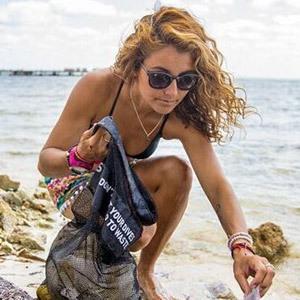

 Marine Debris
 Shark & Ray Protection
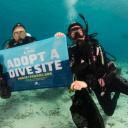 Adopt The Blue

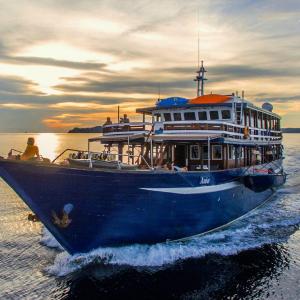





Continue Learning


PADI Courses and Specialties
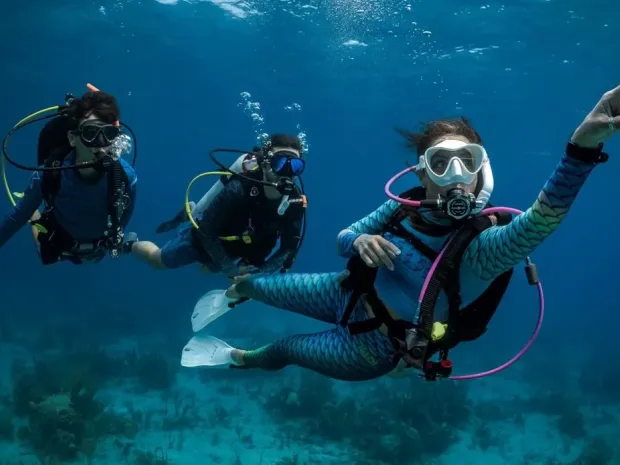
Whether you want to expand your dive knowledge or experience a new scuba specialty, our courses will prepare you for inspiring underwater adventures.
Most Popular Courses

Scuba Diving Interests



Safety Focus

Ocean Conservation - Take Action




Not in the Club yet? You should be! Join PADI Club for access to free and discounted eLearning courses, an annual subscription to Scuba Diving magazine, a free annual Club certification eCard design, exclusive Club invites and more!

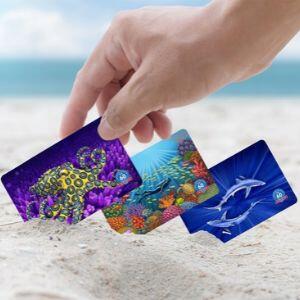
The Hidden in the Blue Anniversary Collection Is Here!
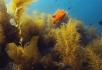
Three new limited-edition cards celebrate 60 years of seeking adventure and saving the ocean with original artwork, created exclusively for PADI’s 60th anniversary. From circling sharks and a vibrant coral garden to the tiny but mighty blue-ringed octopus, each design also features a hidden 60. Can you find them? Available as physical cards and eCards, only while supplies last.
Frequently Asked Questions
Your questions, answered
PADI Specialty Courses are targeted programs that let you focus on specific interests, such as photography, wreck diving, or drift diving. After the Advanced Open Water course, the Enriched Air Diver (Nitrox) is the most beneficial first specialty, followed by Deep Diver or Dry Suit Diver, depending on your local diving environment.
Your PADI certification does not expire. Enrolling in PADI’s scuba refresher course (ReActivate) is recommended if you haven’t been diving in awhile, but not mandatory. Dive shops appreciate seeing a recent ReActivated date on your certification card because it means you’re ready to dive in.
Advanced Open Water, Rescue Diver and more than a dozen of PADI’s most popular specialty courses are available online. You can start your training at home and finish with a dive shop near you, or on vacation. The choice is up to you.
Earning a certification while traveling is a great way to have an authentic local diving experience. Ask the local dive center or resort what their destination is known for (drift, wreck, night, etc.) and if they offer any distinctive specialties.
Or, show your support for your local diving community by earning a certification close to home. Learn about your local ecosystems by taking an Underwater Naturalist or Fish Identification course, or prepare for your next trip by taking PADI’s most popular specialty - Enriched Air Nitrox.
More than 75 percent of new divers say they want to improve their scuba skills by taking additional classes, but fewer than 40 percent ever do so. When asked why, many say, “I didn’t feel ready.”
What these divers don’t realize is, the Advanced Open Water Diver course is designed to help new divers improve their skills and build confidence. In this course, you’ll get better at the skills you learned in your Open Water Diver course as you try new diving experiences (photography, wreck diving, etc.) with a helpful instructor by your side. If the word “advanced” seems intimidating, think of it as a specialty course sampler instead.
Speaking of specialties, many new divers get a lot out of the Peak Performance Buoyancy class and the Underwater Navigator course. You could try one or both of these specialties first, and earn credit towards your Advanced Open Water certification along the way. Ask your PADI Instructor for more information.
The Master Scuba Diver rating places you in an elite group of respected divers who have earned this rating through both significant experience and scuba training. Fewer than two percent of divers ever achieve this rating.
The path starts with earning a PADI Open Water Diver certification, followed by PADI Advanced Open Water Diver and PADI Rescue Diver (or qualifying certifications). You also need to earn five PADI Specialty Diver certifications
The PADI Rescue Diver course is a training program that teaches you how to prevent and manage problems in the water. You will learn to look beyond yourself and consider the safety and well-being of other divers, becoming a more confident and prepared dive buddy.
Yes, you must be certified as a PADI Advanced Open Water Diver (or have a qualifying certification from another organization) to enroll in the Rescue Diver course. You also need to have completed a sanctioned CPR and First Aid course within the last 24 months.
Come Explore With Us!
You'll receive messages showcasing incredible dive destinations, PADI courses, products, event invitations and amazing marine life.
Sign Up for 10% off* Your Next Dive eLearning Course!