

 เศษซากทะเล
 ยพันธุ์ฉลามและกระเบนที่เสี่ยงต่อการสูญพันธ์ุ
 Adopt The Blue

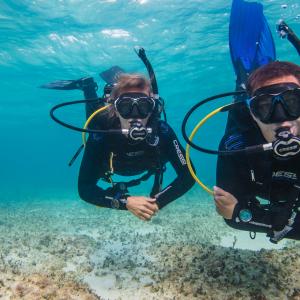









โปรแกรมเพื่อการอนุรักษ์สายพันธุ์สัตว์ทะเลที่เสี่ยงต่อการสูญพันธุ์
ขับเคลื่อนด้วยความมุ่งมั่นร่วมกันในการปกป้องท้องทะเลร่วมกับ Blancpain
การระดมกำลังนักดำน้ำจากทั่วโลกเพื่อร่วมกันปกป้องสายพันธุ์ฉลามและกระเบนที่เสี่ยงต่อการสูญพันธุ์
การดำน้ำทุก ๆ ได๊พ์สามารถมีส่วนช่วยปกป้องสายพันธุ์สัตว์ทะเลที่เสี่ยงต่อการสูญพันธุ์ได้
PADI กำลังระดมกำลังนักดำน้ำจากทั่วโลก เพื่อร่วมกันปกป้องฉลามและปลากระเบน ผ่านโครงการวิทยาศาสตร์พลเมือง การศึกษาและการสนับสนุนเชิงนโยบาย
โปรแกรมอนุรักษ์ฉลาม&กระเบนระดับโลก (The Global Shark & Ray Program) เปลี่ยนผลการสังเกตการณ์ของนักดำน้ำให้กลายเป็นข้อมูลเพื่อการอนุรักษ์ที่มีคุณค่า เพื่อสนับสนุนความพยายามในการเฝ้าระวังทั่วโลกและช่วยเสริมสร้างความแข็งแกร่งในการปกป้องสายพันธุ์สัตว์ทะเลที่เสี่ยงต่อการสูญพันธุ์ ในฐานะส่วนหนึ่งของเครือข่ายเฝ้าระวังท้องทะเลที่ขับเคลื่อนโดยพลังของนักดำน้ำซึ่งกำลังเติบโตอย่างต่อเนื่อง ทุก ๆ การบันทึกข้อมูลการพบเห็น (สิ่งมีชีวิตใต้น้ำ) ล้วนมีส่วนช่วยสร้างความเข้าใจที่ชัดเจนยิ่งขึ้นเกี่ยวกับความสมบูรณ์ของมหาสมุทร และช่วยเป็นข้อมูลในการกำหนดแนวทางการอนุรักษ์ทั่วโลก
3 วิธีที่นักดำน้ำสามารถร่วมลงมือทำได้

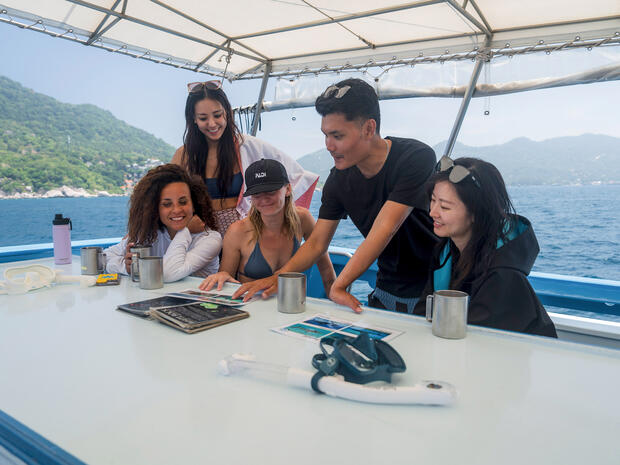
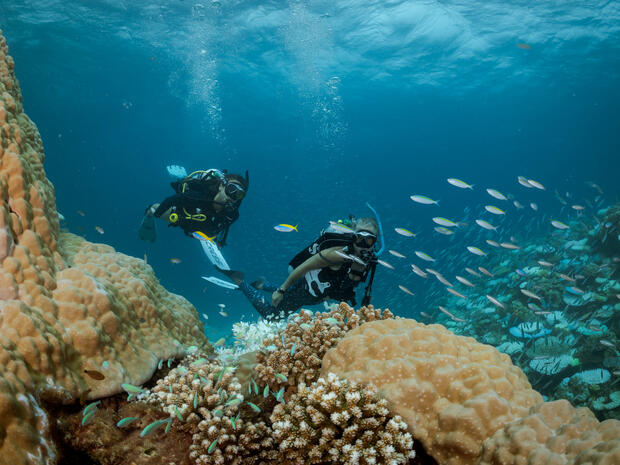
แผนปฏิบัติการเพื่อการปกป้องระดับโลก
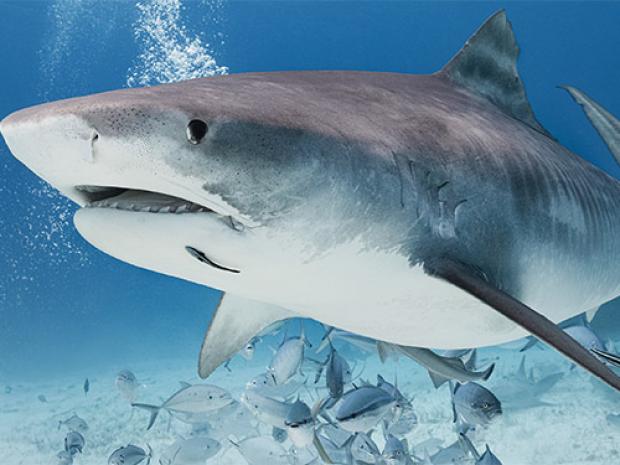
ฉลามและกระเบนจัดอยู่ในกลุ่มสัตว์ที่ถูกคุกคามมากที่สุดในโลก โดยเกือบ 1 ใน 3 ของทุกสายพันธุ์กำลังเผชิญกับการสูญพันธุ์ ในฐานะผู้ล่าระดับบนสุดของห่วงโซ่อาหาร พวกมันจึงมีบทบาทสำคัญยิ่งในการรักษาระบบนิเวศมหาสมุทรให้สมบูรณ์และสร้างความแข็งแกร่งให้กับชุมชนชายฝั่ง
การปกป้องพวกมันจำเป็นต้องอาศัยความตระหนักรู้และความร่วมมือจากทั่วโลก ผ่านแผนงาน PADI Blueprint for Ocean Action มูลนิธิ PADI AWARE กำลังระดมกำลังนักดำน้ำ นักวิทยาศาสตร์ ศูนย์ดำน้ำและพันธมิตรเชิงยุทธศาสตร์ทั่วโลกเพื่อช่วยผลักดันการปกป้องสายพันธุ์สัตว์ทะเลที่เสี่ยงต่อการสูญพันธุ์ ผ่านการให้การศึกษา วิทยาศาสตร์พลเมืองและการสนับสนุนเชิงนโยบาย

ร่วมกับ Blancpain
เรากำลังร่วมมือกับ Blancpain เพื่อช่วยเร่งรัดการคุ้มครองสายพันธุ์สัตว์ทะเลที่เสี่ยงต่อการสูญพันธุ์มากที่สุด ผ่านโครงการวิทยาศาสตร์พลเมือง การให้การศึกษาและการรณรงค์เพื่อมหาสมุทร ด้วยการสนับสนุนโปรแกรมการอนุรักษ์ที่ขับเคลื่อนโดยนักดำน้ำทั่วโลก ความร่วมมือของเราในครั้งนี้จึงมีส่วนช่วยเสริมสร้างความแข็งแกร่งให้แก่ความพยายามระดับสากล ในการปกป้องฉลามและกระเบน พร้อมทั้งรักษาความอุดมสมบูรณ์ของระบบนิเวศทางทะเลเอาไว้
พันธมิตรทางวิทยาศาสตร์ของเรา
เพื่อรับประกันความถูกต้องแม่นยำและความน่าเชื่อถือทางวิทยาศาสตร์ มูลนิธิ PADI AWARE จึงได้ร่วมมือกับมหาวิทยาลัยเจมส์คุก (James Cook University) ซึ่งเป็นศูนย์รวมโปรแกรมการวิจัยฉลามและกระเบนชั้นนำระดับโลก
คณะนักวิจัย ซึ่งรวมถึง ดร. แอนดรูว์ ชิน (Dr. Andrew Chin), ดร. อีวา แมคคลัวร์ (Dr. Eva McClure) และทีมวิทยาศาสตร์ของ GSRC ได้เข้ามาช่วยตรวจสอบความถูกต้องและวิเคราะห์ข้อมูลที่ส่งผ่านพอร์ทัลปฏิบัติการอนุรักษ์ (Conservation Action Portal หรือ CAP) เพื่อรับประกันว่าข้อมูลการสังเกตการณ์เหล่านี้จะนำไปสู่ผลลัพธ์ที่เป็นประโยชน์อย่างแท้จริงต่อการวิจัยทางวิทยาศาสตร์และการอนุรักษ์ทั่วโลก
สำหรับคำถามเกี่ยวกับข้อมูลทางวิทยาศาสตร์ที่อยู่เบื้องหลังโครงการ Global Shark & Ray Census กรุณาติดต่อ [email protected]

30 ปีแห่งการสร้างความเปลี่ยนแปลงโดยนักดำน้ำ
เป็นเวลานานกว่า 3 ทศวรรษแล้วที่เหล่านักดำน้ำได้มีส่วนช่วยผลักดันให้เกิดการคุ้มครองฉลามและกระเบนรวมกว่า 104 สายพันธุ์ ผ่านการรณรงค์เชิงนโยบาย วิทยาศาสตร์พลเมืองและการรวมพลังขับเคลื่อนร่วมกัน พวกเราได้พิสูจน์ให้เห็นร่วมกันแล้วว่าเมื่อชุมชนนักดำน้ำทั่วโลกหันมารวมพลังกัน ก็จะสามารถช่วยขับเคลื่อนให้เกิดการเปลี่ยนแปลงที่มีความหมายอย่างแท้จริงต่อมหาสมุทรได้
4 วิธีในการปกป้องฉลามและกระเบน
ทุกคนล้วนมีบทบาทสำคัญในการปกป้องสายพันธุ์สัตว์ทะเลที่เสี่ยงต่อการสูญพันธุ์ ผ่านการรณรงค์เชิงนโยบาย การให้ความรู้ วิทยาศาสตร์พลเมืองและการบริจาค เหล่านักดำน้ำทั่วโลกกำลังมีส่วนช่วยขับเคลื่อนการลงมือทำเพื่อมหาสมุทรในระดับสากล

การรณรงค์ขับเคลื่อน
ร่วมเป็นกระบอกเสียงเพื่อมหาสมุทร
คอยติดตามข้อมูลข่าวสารเกี่ยวกับประเด็นปัญหาที่ส่งผลกระทบต่อฉลามและกระเบน และร่วมเป็นแรงสำคัญในการผลักดันเพื่ออนาคตของมหาสมุทรที่สมบูรณ์ยิ่งขึ้น

การศึกษา
เรียนรู้ เชื่อมโยง ปกป้อง
สร้างความเข้าใจของคุณเกี่ยวกับฉลามและกระเบน พร้อมค้นพบวิธีที่นักดำน้ำสามารถช่วยปกป้องสายพันธุ์ที่เสี่ยงต่อการสูญพันธุ์ได้

วิทยาศาสตร์พลเมือง
ทำให้การดำน้ำทุกได๊พ์มีความหมาย
เข้าร่วมโครงการ Global Shark & Ray Census และร่วมส่งมอบข้อมูลเพื่อสนับสนุนการปกป้องฉลามและกระเบนไปทั่วโลก

การให้
ปกป้องสิ่งที่คุณรัก
ร่วมสนับสนุนการอนุรักษ์มหาสมุทรที่ขับเคลื่อนโดยกลุ่มนักดำน้ำได้ตลอดทั้งปี ในฐานะผู้สนับสนุนมูลนิธิ AWARE รายเดือน
ผู้ได้รับทุนสนับสนุนการอนุรักษ์สายพันธุ์สัตว์ทะเลที่เสี่ยงต่อการสูญพันธุ์
ทุนชุมชน PADI AWARE ช่วยเร่งรัดและผลักดันการลงมือทำเพื่อการอนุรักษ์ในระดับรากหญ้า เพื่อปกป้องสายพันธุ์สัตว์ทะเลที่เสี่ยงต่อการสูญพันธุ์ทั่วโลก


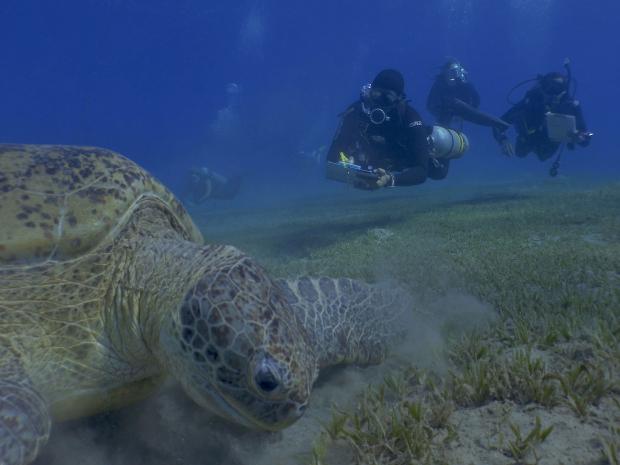



PADI Blueprint for Ocean Action:
ทุกได๊พ์ช่วยนำพาให้สายพันธุ์ที่เสี่ยงต่อการสูญพันธุ์เข้าใกล้ความอยู่รอดมากยิ่งขึ้น
ด้วยแรงสนับสนุนจากชุมชนนักดำน้ำ มูลนิธิ PADI AWARE จึงมีความพร้อมและอยู่ในจุดที่เหมาะสมอย่างยิ่งในการขยายผลมาตรการอนุรักษ์ที่จำเป็นเพื่อช่วยลดความเสี่ยงต่อการสูญพันธุ์ เรากำลังร่วมมือกับศูนย์ดำน้ำและรีสอร์ทของ PADI ทั่วโลก ในการผลักดัน PADI Blueprint for Ocean Action เพื่อปกป้องสายพันธุ์สัตว์ทะเลที่ต้องการความช่วยเหลือมากที่สุด

อ่านรายละเอียดเพิ่มเติม
อ่านข้อมูลเพิ่มเติมเกี่ยวกับบทบาทของชุมชนนักดำน้ำ PADI ในการปกป้องสายพันธุ์สัตว์ที่เสี่ยงต่อการสูญพันธุ์
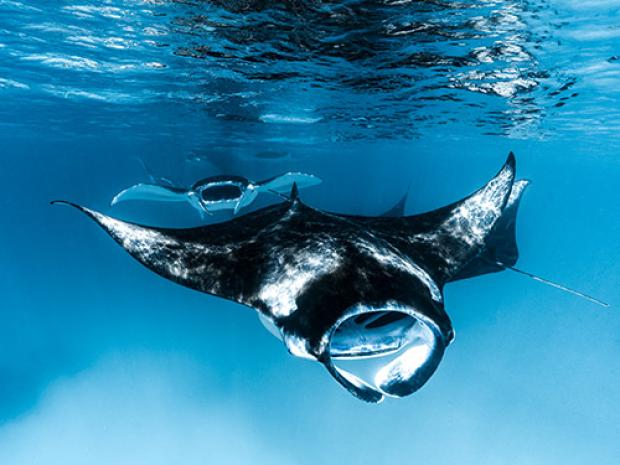



คำถามที่พบบ่อยเกี่ยวกับการอนุรักษ์ฉลาม
คุณสามารถปกป้องฉลามได้ด้วยการปฏิเสธที่จะบริโภคซุปหูฉลาม หลีกเลี่ยงผลิตภัณฑ์ที่มีส่วนผสมของสควาเลน (น้ำมันตับฉลาม) และเลือกซื้ออาหารทะเลจากแหล่งที่มาที่ยั่งยืน นอกจากนี้ การสนับสนุนองค์กรอนุรักษ์ทางทะเลที่มีชื่อเสียงและน่าเชื่อถือ รวมถึงการลงคะแนนเสียงให้กับกฎระเบียบการประมงที่เข้มงวด ล้วนมีส่วนช่วยปกป้องประชากรฉลามที่เสี่ยงต่อการสูญพันธุ์ทั่วโลก
สถาบันวิทยาศาสตร์ทางทะเล มหาวิทยาลัย และองค์กรอนุรักษ์หลายแห่ง ต่างเปิดหลักสูตรออนไลน์เกี่ยวกับการอนุรักษ์ฉลาม แพลตฟอร์มต่าง ๆ เช่น edX, Coursera รวมถึงองค์กรไม่แสวงหาผลกำไรทางทะเลเฉพาะทาง ต่างมีหลักสูตรที่ได้รับใบประกาศนียบัตร ซึ่งครอบคลุมเนื้อหาเกี่ยวกับชีววิทยาของสัตว์กลุ่มฉลามและกระเบน นโยบายทางทะเล และกลยุทธ์การรณรงค์เพื่อมหาสมุทร สำหรับนักเรียนและผู้ที่สนใจ
โปรแกรมติดตามฉลามโดยวิทยาศาสตร์พลเมืองช่วยให้กลุ่มนักดำน้ำ นักสน็อกเกอลิ่ง และคนที่ไปเที่ยวทะเลสามารถมีส่วนร่วมในการวิจัยทางทะเลได้ ด้วยการอัปโหลดภาพถ่ายการพบเห็นฉลาม ครีบหลัง หรือเครื่องหมายที่เป็นเอกลักษณ์เฉพาะตัวลงในฐานข้อมูลระดับโลกและแอปพลิเคชันมือถือ ช่วยให้ประชาชนทั่วไปสามารถช่วยนักวิทยาศาสตร์ติดตามรูปแบบการอพยพและเฝ้าระวังสุขภาพของประชากรฉลามได้
โอกาสในการเป็นอาสาสมัครเพื่อการอนุรักษ์ฉลาม รวมถึงการมีส่วนร่วมในการทำความสะอาดชายหาดในท้องถิ่น การเข้าร่วมคณะสำรวจวิจัยทางทะเลระหว่างประเทศ และการช่วยเหลือด้านการรณรงค์และให้ความรู้แก่ชุมชน สถานีวิจัยชายฝั่งหลายแห่งมีโปรแกรมอาสาสมัครแบบลงมือปฏิบัติจริง ซึ่งเน้นไปที่การติดเครื่องหมายติดตามฉลาม การเฝ้าติดตามข้อมูล และการฟื้นฟูแหล่งที่อยู่อาศัยทางทะเล
พื้นที่คุ้มครองทางทะเล (MPAs) สำหรับฉลามคือเขตพื้นที่ที่กำหนดขึ้นในมหาสมุทร ซึ่งกิจกรรมของมนุษย์ โดยเฉพาะอย่างยิ่งการทำประมงเชิงพาณิชย์ จะถูกจำกัดหรือห้ามกระทำโดยเด็ดขาด เขตอนุรักษ์ใต้ท้องทะเลเหล่านี้ช่วยปกป้องแหล่งที่อยู่อาศัยที่สำคัญของฉลาม เช่น แหล่งอนุบาลตัวอ่อนและพื้นที่ผสมพันธุ์ ซึ่งช่วยให้ประชากรฉลามที่ลดจำนวนลงอย่างมากสามารถฟื้นตัวได้อย่างปลอดภัย
การล่าครีบฉลามหรือการตัดครีบฉลามคือแนวปฏิบัติในการจับฉลามขึ้นมา เฉือนเอาครีบของมันออก แล้วโยนร่างที่ยังมีชีวิตอยู่กลับลงสู่มหาสมุทร ซึ่งสัตว์จะจมน้ำหรือเสียเลือดจนตายในที่สุด ด้วยแรงขับเคลื่อนจากความต้องการบริโภคซุปหูฉลาม แนวปฏิบัติที่ไม่ยั่งยืนนี้คร่าชีวิตฉลามหลายล้านตัวในแต่ละปี และคุกคามระบบนิเวศทางทะเลทั้งหมด
นโยบาย "ครีบต้องติดอยู่กับตัวตามธรรมชาติ" คือกฎระเบียบด้านการประมงที่กำหนดให้ฉลามทุกตัวที่ถูกนำขึ้นฝั่งจะต้องถูกนำเข้าสู่ท่าเรือโดยที่ครีบยังคงติดอยู่กับลำตัวตามธรรมชาติ กฎหมายนี้ถือเป็นวิธีที่มีประสิทธิภาพมากที่สุดในการขจัดปัญหาการล่าครีบฉลาม เนื่องจากช่วยป้องกันไม่ให้ชาวประมงลักลอบขนย้ายครีบที่ผิดกฎหมาย ในขณะที่ทิ้งซากฉลามลงสู่ทะเล
เทคนิคการลดการจับสัตว์น้ำพลอยได้ รวมถึงการใช้เบ็ดวงกลม (Circle hooks) แทนเบ็ดรูปตัวเจ (J-hooks) การเปลี่ยนสายหน้าจากลวดสลิงเป็นสายไนลอนเพื่อให้ฉลามสามารถกัดขาดได้ และการใช้เทคโนโลยีขับไล่ เช่น อุปกรณ์ปล่อยคลื่นแม่เหล็กไฟฟ้าหรือคลื่นเสียง วิธีการเหล่านี้ช่วยลดการจับโดยไม่ตั้งใจและการตายของฉลามในการประมงเชิงพาณิชย์ลดลงได้อย่างเห็นได้ชัด
ฉลามกำลังเผชิญกับการเสี่ยงต่อการสูญพันธุ์เนื่องจากการทำประมงเกินขนาด การล่าครีบฉลาม การทำลายแหล่งที่อยู่อาศัย และการเปลี่ยนแปลงสภาพภูมิอากาศ ในฐานะผู้ล่าอันดับสูงสุดของห่วงโซ่อาหาร ฉลามช่วยรักษาสมดุลของระบบนิเวศทางทะเลด้วยการควบคุมประชากรของสัตว์ที่เป็นเหยื่อ หากไม่มีพวกมัน โครงสร้างห่วงโซ่อาหารในทะเลจะพังทลายลง ซึ่งจะนำไปสู่ความเสื่อมโทรมของแนวปะการังและปริมาณสัตว์น้ำเชิงพาณิชย์ที่ลดลง